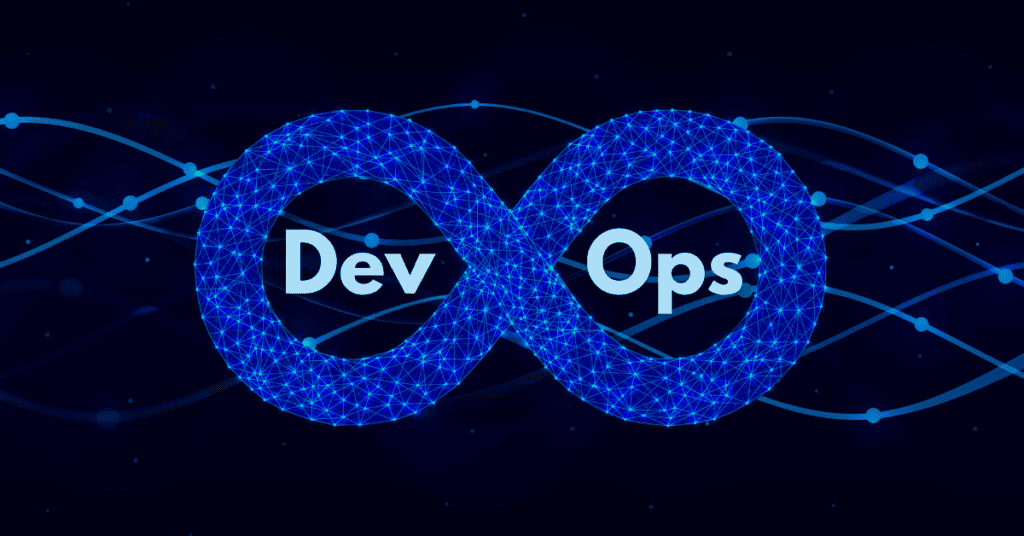
DevOps combines development and IT operations practices to help businesses improve software delivery, streamline workflows, and maintain reliable applications. At LOGICSAGE DATALABS, our DevOps solutions focus on connecting development, testing, deployment, and operational activities through structured processes and automation. We help organizations improve collaboration between teams and establish workflows that support consistent software delivery.
LOGICSAGE DATALABS helps businesses evaluate their existing development and deployment processes to identify opportunities for improvement. Our approach considers application requirements, infrastructure, team workflows, release schedules, and operational objectives. By understanding these factors, businesses can develop a DevOps strategy that aligns with their technical environment and long-term goals.
Continuous Integration and Continuous Delivery (CI/CD) are important components of modern DevOps practices. Automated build, testing, and deployment pipelines can help teams identify issues earlier, reduce repetitive manual tasks, and deliver software updates more consistently. LOGICSAGE DATALABS supports the adoption of suitable CI/CD workflows to improve release management and create a more structured software delivery lifecycle.
Infrastructure automation and configuration management help organizations maintain consistent environments across development, testing, and production systems. DevOps practices can simplify infrastructure provisioning, application configuration, and environment management. LOGICSAGE DATALABS helps businesses assess automation opportunities and establish repeatable processes that support efficient infrastructure operations and reduce configuration inconsistencies.
Monitoring, logging, and performance management are essential for maintaining application availability and operational visibility. By collecting and reviewing system metrics, application logs, and performance indicators, teams can identify potential issues and respond more effectively to incidents. LOGICSAGE DATALABS emphasizes monitoring practices that help organizations understand system behavior, troubleshoot problems, and support ongoing service improvement.
Security should be considered throughout the DevOps lifecycle rather than only at the final deployment stage. DevSecOps practices integrate security checks, access controls, dependency reviews, and vulnerability assessment into development and delivery workflows. LOGICSAGE DATALABS helps businesses consider appropriate security measures within their DevOps processes to support more secure application development and infrastructure management.
Successful DevOps adoption also depends on collaboration, documentation, continuous feedback, and clearly defined responsibilities. Teams need workflows that support communication between developers, testers, infrastructure specialists, and business stakeholders. LOGICSAGE DATALABS considers these operational requirements when helping organizations improve their development practices, coordinate releases, and establish processes for ongoing improvement.
Every organization has different applications, infrastructure requirements, and delivery objectives. LOGICSAGE DATALABS provides DevOps-focused technology solutions designed around individual business needs, existing systems, and operational priorities. By combining automation, CI/CD practices, infrastructure management, monitoring, and security considerations, our approach helps businesses work toward more efficient software delivery, improved operational consistency, and scalable technology operations.
What We Offer
All Services by LOGICSAGE DATALABS
Explore LOGICSAGE DATALABS services across software development, cybersecurity, data analytics, enterprise technologies, IT consulting, and healthcare solutions.
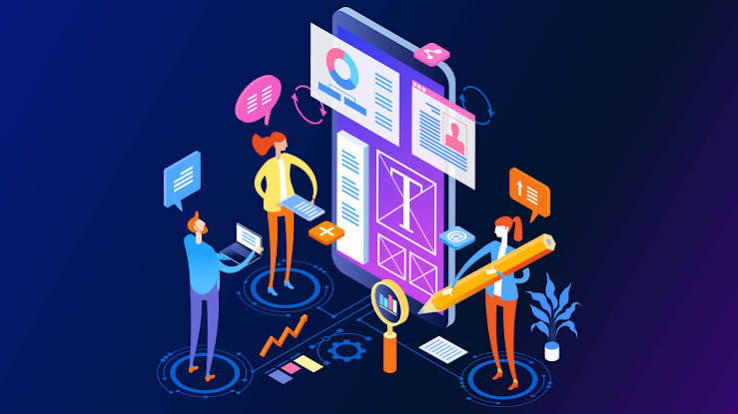
Create intuitive, accessible, and responsive digital experiences through user-focused interface design, wireframing, prototyping, and usability improvements.

Strengthen digital protection with security-focused solutions for network security, risk assessment, data protection, and cybersecurity awareness.

Turn business data into actionable insights with analytics solutions that support reporting, trend analysis, informed decisions, and business planning.

Support software quality through functional testing, defect identification, validation, and quality assurance practices across application development.

Support technology workforce requirements with IT staffing services designed to help businesses identify talent aligned with their project and technical needs.

Build online visibility through search engine optimization, digital content strategies, and marketing activities aligned with your business goals.

Coordinate project scope, timelines, resources, and delivery activities to help teams organize work and align execution with business objectives.

Explore cloud-based approaches to infrastructure, application deployment, scalability, and business technology needs.

Support enterprise process and technology requirements with SAP-related services aligned with organizational workflows and business needs.
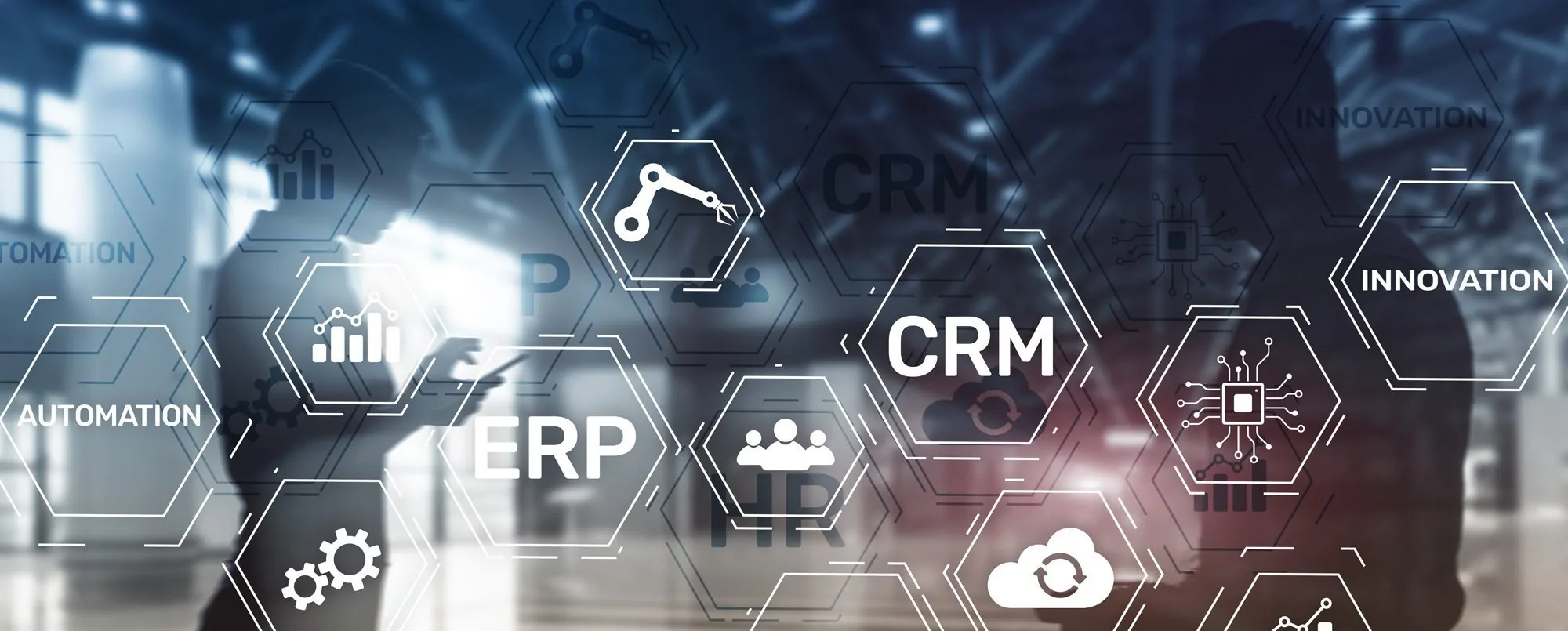
Connect business processes and customer information with enterprise resource planning and customer relationship management solutions.
Support collaboration between development and operations with practices that help streamline software delivery, deployment, and ongoing maintenance.

Support clinical data analysis and reporting needs with Clinical SAS-related services for healthcare and research workflows.

Develop and maintain Java-based applications using established development practices tailored to application functionality and business requirements.

Support healthcare revenue workflows with services related to billing processes, claims, payment tracking, and revenue cycle operations.
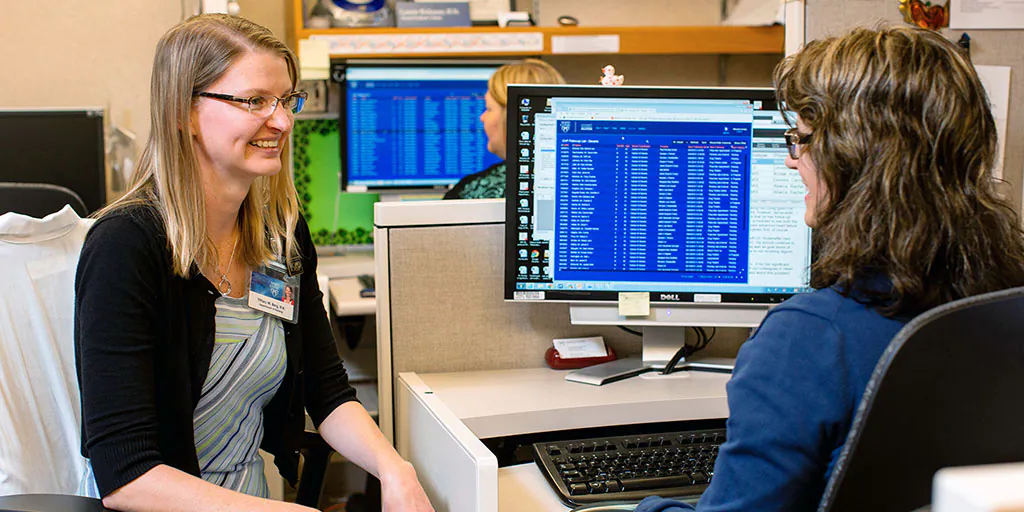
Organize and manage healthcare information through processes focused on documentation, data quality, information handling, and records management.

Support accurate healthcare documentation workflows through medical coding services aligned with clinical records and applicable coding requirements.

Support healthcare claims workflows with processes for claim documentation, tracking, review, and administrative coordination.

Help organize member information and administrative workflows to support healthcare plan operations and member-related processes.
Support provider network administration through organized provider information, network coordination, and related healthcare management workflows.

Explore additional healthcare support services designed around operational requirements, service coordination, and administrative workflows.